Zap Charger
01Industry 4.0: The Evolution of Chinese EV Charger Manufacturing
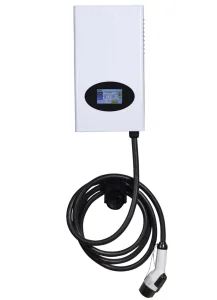
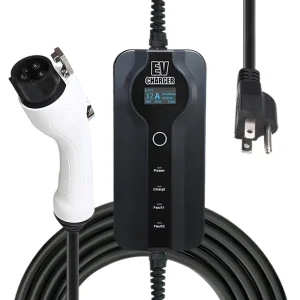
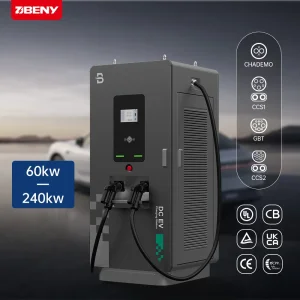
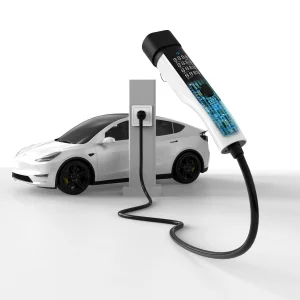
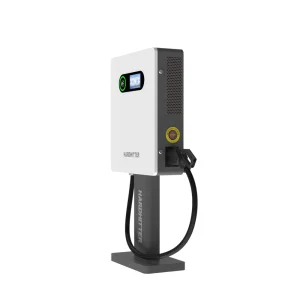
The global transition to electric mobility has placed unprecedented demand on charging infrastructure. As a premier exporter, China's factory landscape has evolved from simple assembly to Industry 4.0-driven smart manufacturing. Leading manufacturers are now integrating IoT, real-time diagnostic systems, and automated testing lines to ensure every Level 2 charger meets rigorous international standards (CE, UL, OCPP compliance). This shift significantly enhances supply chain resilience, allowing for rapid scaling and customization that global markets require.
02Global Procurement: Navigating Supply Chain Dynamics
For international procurement officers, sourcing reliable Level 2 EV chargers involves balancing cost, technical specification, and certification. The "China Factory" advantage currently lies in vertical integration—factories that manufacture their own power modules, cables, and enclosures can control quality at every micro-level. Key trends for 2024-2025 include:
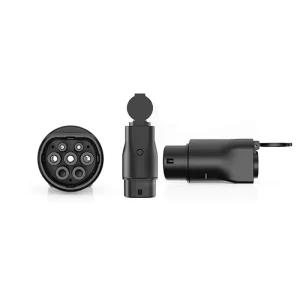
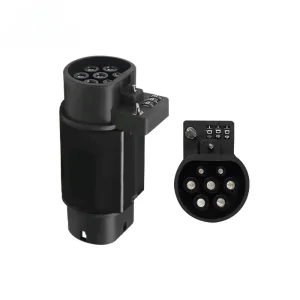
- Standardization: Growing dominance of Type 2 and CCS2 protocols for international markets.
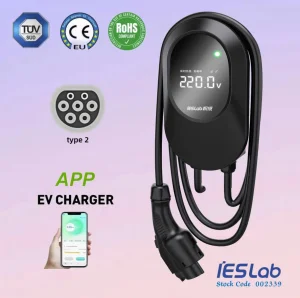
- Smart Integration: Shift towards OCPP 1.6J/2.0.1 compliant chargers for remote fleet management.
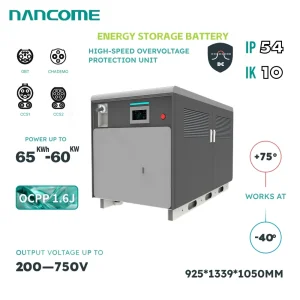
- Sustainability: Increasing demand for energy storage-integrated charging solutions to minimize grid impact.
Global Projects Served
QC Compliance
Support Availability
03Localized Application Scenarios
The application of Level 2 chargers is no longer one-size-fits-all. We analyze the specific needs of different verticals:
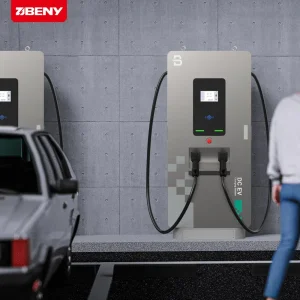
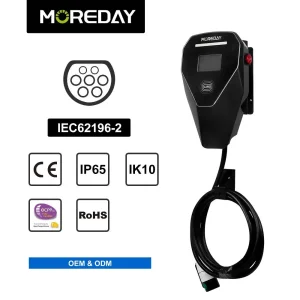
Commercial & Public Infrastructure: High-traffic areas require robust, weather-resistant (IP55/IP65) cabinets with secure payment integration and load balancing.
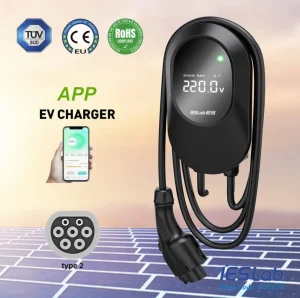
Residential & Multi-Unit Dwellings: Focus shifts to compact, aesthetic wall-mounted designs that support smart-home integration and solar-PV synchronization.
Fleet Operations: Demand for high-uptime, scalable charging networks that offer comprehensive data analytics for fleet managers.