Electric vehicles (EVs) are gaining traction globally. As EV adoption increases, questions arise about infrastructure. Specifically, what are the common problems with EV charging systems? According to a recent report by the International Energy Agency, global EV sales reached 6.6 million in 2021, reflecting a 108% increase from the previous year. However, charging infrastructure struggles to keep pace.
Experts like Dr. Emily Johnson, a researcher at the Electric Vehicle Institute, highlight the challenges. She states, “Many charging stations are incompatible with different EV models, leading to user frustration.” This incompatibility is just one issue. Reliability remains a significant concern. Many EV owners report that public chargers are often out of service.
Additionally, the speed of charging varies widely. Some firms promise rapid charging but fail in real-world scenarios. Each of these problems can hinder the growth of the EV market. As more drivers seek electric alternatives, addressing these challenges becomes urgent. Understanding these issues is crucial for enhancing user experience and promoting wider adoption of electric vehicles.
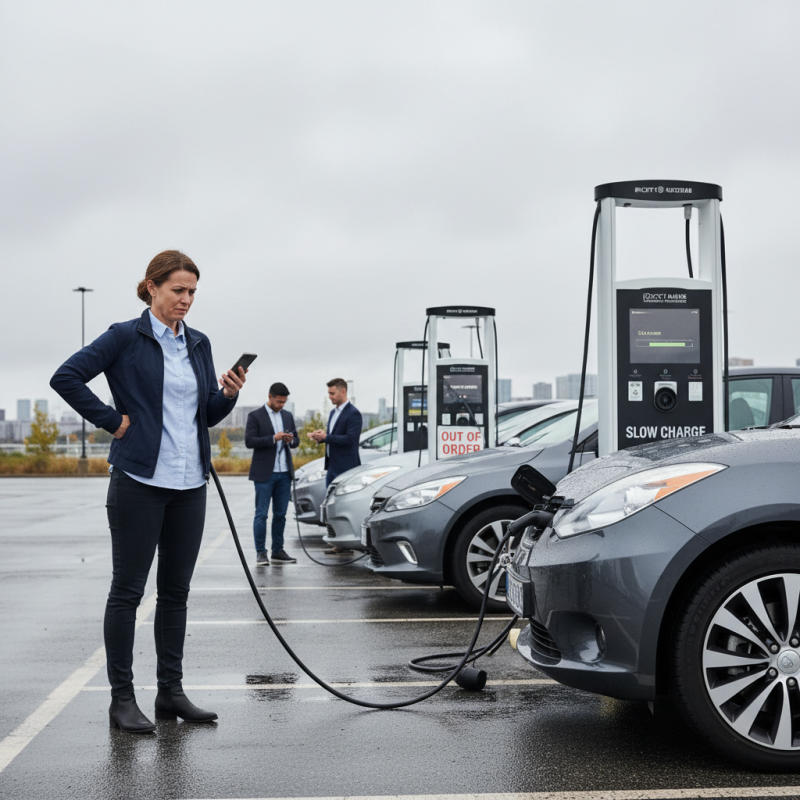
Overview of EV Charging Systems
Electric Vehicle (EV) charging systems are essential for the growth of sustainable transportation. They provide drivers with the convenience of recharging their vehicles at home or in public spaces. Understanding these systems means grasping their components, types, and the technology behind them. Most charging stations fall into three categories: Level 1, Level 2, and DC fast charging. Level 1 is the slowest, ideal for overnight charging at home. Level 2 offers faster charging suitable for public spaces and workplaces. DC fast charging, though efficient, requires specialized infrastructure.
However, several challenges persist within these systems. One prevailing concern is interoperability. Not all chargers work with every EV model. This can frustrate drivers and limit charging options. Another issue is inconsistent charging speeds. Factors like power supply and software variations can affect performance. Locations with limited infrastructure may experience long wait times, impacting usability. Additionally, technical glitches can disrupt the charging process. Even the most reliable systems have moments of malfunction.
Beyond these, the need for better user experience is clear. Many stations lack clear instructions, leaving users confused. Maintenance of charging stations can also be inadequate, leading to unexpected outages. Addressing these problems requires a combination of technology enhancements and user education. As the electric vehicle landscape evolves, improving EV charging systems will be vital for widespread adoption.
Common Technical Issues in EV Chargers
Electric vehicle (EV) charging systems are crucial for sustainable transportation. However, they often face technical issues that can disrupt the charging process. One common problem is incompatible connectors. Many EVs use different plug types, leading to frustration for users trying to charge their vehicles. Ensuring compatibility is an ongoing challenge for manufacturers.
Another frequent issue is overheating during charging. EV chargers can become excessively warm, causing performance degradation or even failures. This can happen due to poor ventilation or high ambient temperatures. Users should regularly check their chargers for signs of overheating to avoid potential hazards. Regular maintenance could mitigate this problem.
Finally, network connectivity issues can impede the usage of charging stations. Many chargers rely on Wi-Fi or cellular networks for operation. When these networks fail, users may be unable to access charging services. It’s essential for EV owners to remain aware of their charging location's connectivity status. This awareness can prevent unexpected charging delays.
Top 5 Common Problems with EV Charging Systems
This bar chart illustrates the top five common technical issues faced by EV charging systems, including Overheating, Connectivity Issues, Charger Malfunction, Incompatibility, and User Error. Understanding these issues can help improve the reliability of EV charging infrastructure.
User-Related Challenges with Charging Stations
Charging an electric vehicle (EV) can be a stress-filled experience for many users. One common issue arises from the availability of charging stations. Not all locations have ample access. This often leads to long waits or the risk of driving to a station only to find it occupied or out of service. Users frequently express frustration about finding convenient charging spots during peak hours.
Another challenge involves the user interface at charging stations. Many devices fail to provide clear instructions. Users sometimes struggle with starting the charging process or understanding payment options. Confusing screens or inconsistent mobile applications can create doubt. This can lead to prolonged charging times and wasted energy.
Furthermore, the performance of charging systems can vary widely. Users may find discrepancies between advertised charging speeds and actual performance. Inconsistent experiences leave EV owners feeling uncertain. They may question the reliability of their vehicle’s charging capabilities. All these factors highlight the importance of developing more intuitive and reliable charging solutions. As the EV market grows, addressing these user-related challenges will be essential.
Infrastructure Limitations Affecting Charging Access
The rapid rise of electric vehicles (EVs) intensifies the need for robust charging infrastructure. However, many regions face significant limitations in charging access. Urban areas often have more options. Yet, rural regions struggle. Charging stations may be few and far between. This discrepancy creates challenges for EV adoption, impacting long-distance travel plans.
Additionally, public charging stations often suffer from inadequate maintenance. Outdated technology can lead to malfunctioning stations. Drivers can arrive at a charging site only to find it out of service. This not only increases frustration but also raises questions about the reliability of the charging network.
Furthermore, there is a growing concern about the availability of charging locations. High-demand areas may have long wait times. Access becomes even more constrained during peak hours. The gap between demand and supply creates a barrier for potential EV users. It is crucial to encourage investment in charging infrastructure to create a more balanced network. Increased accessibility will foster a better experience for current and future EV drivers.
Safety Concerns in Electric Vehicle Charging Processes
Electric vehicle (EV) charging has gained traction as more people switch to eco-friendly options. However, safety concerns in the charging process are increasingly spotlighted. Overheating is a significant problem. When charging, the connectors can become excessively hot, posing risks of burns or fires. Regular inspection of charging equipment can help mitigate this risk.
Another concern involves voltage fluctuations. Inconsistent power supply can lead to faulty charging. This situation might cause damage to both the vehicle and the charging station. Users should always monitor their charging facilities for signs of malfunction.
Grounding issues also present potential hazards. Poor grounding can lead to electric shocks or short circuits. It's crucial to ensure that installations comply with safety standards. Many users overlook these essential safety checks. Awareness and education about these concerns are vital. Everyone should take an active role in ensuring safe charging experiences.
Top 5 Common Problems with EV Charging Systems - Safety Concerns in Electric Vehicle Charging Processes
| Problem |
Description |
Potential Risks |
Preventive Measures |
| Overheating |
Charging equipment may heat up excessively due to poor connections or faulty hardware. |
Fire hazards, equipment failure. |
Regular maintenance checks, use high-quality chargers. |
| Voltage Fluctuations |
Inconsistent voltage can damage the battery or charging system. |
Battery degradation, charger damage. |
Use voltage stabilizers, monitor power supply. |
| Connector Issues |
Dirt or damage to connectors can lead to poor connections. |
Increased resistance, charging failures. |
Frequent cleaning, inspection of connectors. |
| Inadequate Charge Time |
Charging may take longer than expected due to inefficiencies. |
User frustration, potential range anxiety. |
Ensure optimal power supply and use fast chargers. |
| Cybersecurity Risks |
Charging stations can be vulnerable to hacking. |
Data breaches, unauthorized access to charging systems. |
Implement strong encryption, regular software updates. |
Conclusion
Electric vehicle (EV) charging systems are key to the widespread adoption of electric mobility, yet they are not without challenges. When exploring what are the common problems with EV charging systems, several issues come to light. Technical difficulties in chargers can hinder performance, such as software glitches and hardware malfunctions. Additionally, users often face challenges at the stations themselves, including lack of clear instructions and limited accessibility.
Moreover, the existing charging infrastructure can present limitations, impacting how easily drivers can find available charging ports. Safety concerns also arise during the charging process, as improper use of chargers can lead to hazardous situations. Addressing these issues is crucial for enhancing the reliability and convenience of EV charging, ultimately fostering a more sustainable future for electric vehicles.

 Zap Charger